
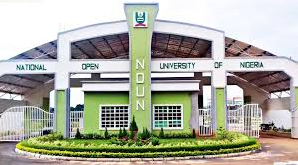
The National Open University of Nigeria (NOUN) has officially set the stage for the 2026_1 Online Facilitation exercise. This session represents a cornerstone of the university's academic framework, ensuring that students—regardless of their physical location—receive high-quality, interactive, and structured academic support.
Under the direction of the Directorate of Learning Content Management System (DLCMS), the university continues to leverage a sophisticated "blended" learning model. This approach is designed to cater to the diverse needs of the NOUN student population by combining synchronous (real-time) video interactions with asynchronous (self-paced) resources.
Understanding the "Blended" Facilitation Model
Online facilitation at NOUN is not a passive experience; it is a dynamic instructional strategy intended to bridge the gap between independent study and classroom engagement.
Synchronous Sessions: These are live virtual classes scheduled via the Learning Management System (LMS). During these sessions, facilitators lead discussions, clarify complex concepts, and answer student queries in real-time.
Asynchronous Learning: This component allows students to engage with course materials, discussion forums, and recorded lectures at their own convenience. This flexibility is essential for the many working professionals and self-employed students within the NOUN community.
Participation in these sessions is MANDATORY. It is not merely an optional tutorial; it is an integral part of the curriculum that often influences a student’s readiness for Continuous Assessments (TMA) and final examinations.
Essential Guidelines for Students
To ensure a seamless transition into the virtual classroom, the university has outlined specific entry protocols for different categories of students.
- Returning Students: Seamless Continuity
Returning students are expected to maintain their academic momentum by logging into the LMS portal at elearn.nou.edu.ng.
Credentials: Use your existing matriculation number and password.
Course Access: Once logged in, your registered courses for the 2026_1 session should be automatically populated on your dashboard.
- New Students: Onboarding and Activation
For freshers, the facilitation process begins only after the successful completion of course and examination registration.
Official Email: Check your NOUN student email for a welcome message from the DLCMS. This email contains your temporary login credentials and instructions for password setup.
Spam Folder: Due to security filters, this vital email may sometimes land in your spam/junk folder. Ensure you check all folders during the first week of resumption.
- Mastering the LMS Interface
Navigation can be daunting for first-time users. The university has provided a comprehensive LMS Navigation Guide to help students locate their course materials, participate in live forums, and submit assessments.
Watch the LMS Navigation Guide here https://www.youtube.com/watch?v=h8PSvPYPvLg
- The Academic Integrity Pillar
Before gaining full access to course resources, all students are required to read and acknowledge the Academic Integrity Page. NOUN maintains a zero-tolerance policy toward plagiarism, examination malpractice, and unauthorized collaboration in virtual assessments. By clicking through this page, you are formally committing to the highest standards of scholarship.
Important Dates and Timeline
The academic calendar for facilitation is tightly structured. Students must align their personal study plans with these official dates:
Commencement: Monday, February 23rd, 2026.
Conclusion: Saturday, April 18th, 2026.
This eight-week window is the primary period for instructional interaction. Missing these weeks can result in a significant loss of academic support, as facilitators typically follow a week-by-week syllabus that mirrors the course modules.
Technical Support and Troubleshooting
The DLCMS recognizes that technical hurdles—ranging from login failures to dashboard errors—can arise. Dedicated support channels have been established to assist students promptly.
Email Support: lcms@noun.edu.ng
Self-Help: Use the "Help" or "Support" ticket system within the LMS dashboard for specific course-related technical issues.
Conclusion: Ownership of Academic Outcomes
The Vice Chancellor, Prof. Olufemi Peters, through the DLCMS, encourages all students to take "full ownership" of their academic outcomes. The online facilitation platform is a powerful tool, but its effectiveness depends on student engagement.
By participating in live sessions, contributing to forum discussions, and adhering to the guidelines provided in the LMS Navigation Guide, students can navigate the 2026_1 session with confidence. Remember, the goal of NOUN is to provide "Education for All," and these digital facilitation tools are the vessels through which that mission is achieved.
Please be guided accordingly and ensure your registration is finalized before the February 23rd kick-off date.