A Landmark in Academic History: Strategic Analysis of the 1st Inaugural Lecture at the Federal University of Health Sciences, Ila-Orangun

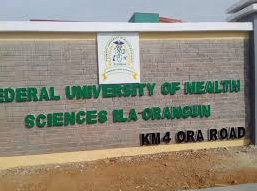
The Federal University of Health Sciences, Ila-Orangun (FUHSI), a specialized institution dedicated to medical and biotechnological excellence, has officially announced its 1st Inaugural Lecture. This historic event, scheduled for Wednesday, 25th March 2026, represents a foundational milestone in the university's research trajectory. The lecture will be delivered by Professor Simiat Jimoh, a distinguished Professor of Industrial Microbiology and Biotechnology, titled: “Fermenting The Future: Harnessing Microbial Metabolism for Sustainable Biotechnological Innovations.” The ceremony is set to commence at 01:30 p.m. at the University Pavilion, with a strict administrative mandate for guests to be seated by 01:00 p.m.
Pillar I: The Significance of the "Maiden" Inaugural Lecture
In the lifecycle of a university, the first inaugural lecture is a profound declaration of institutional maturity. It signifies that the university has moved beyond its foundational phase and is now actively contributing to the global body of specialized knowledge. For FUHSI, an institution established to bridge the gap in Nigeria’s health and science sectors, this lecture serves as the official "academic unveiling" of its professoriate.
Professor Simiat Jimoh, as the pioneer inaugural lecturer, carries the responsibility of setting the academic standard for the institution. An inaugural lecture is not merely a summary of past research; it is a professor’s formal introduction to the university community and the public, outlining their specific contributions to their field and their vision for future scientific exploration.
Pillar II: Decoding "Fermenting the Future" – The Scientific Discourse
The lecture topic, focusing on Microbial Metabolism and Sustainable Biotechnological Innovations, addresses one of the most critical frontiers in modern science. Industrial Microbiology is the engine room of the "Green Economy," utilizing the natural metabolic processes of microorganisms to solve complex human problems.
Professor Jimoh is expected to explore several key domains during her discourse:
Waste-to-Wealth Conversion: Utilizing fermentation to transform agricultural and industrial waste into high-value products like bio-ethanol or organic fertilizers.
Pharmaceutical Advancements: Harnessing microbes for the sustainable production of antibiotics, vaccines, and bioactive compounds.
Environmental Remediation: The role of microbial metabolism in breaking down pollutants, offering a biotechnological solution to environmental degradation in Nigeria.
Pillar III: Institutional Protocol and the University Pavilion Assembly
The choice of the University Pavilion and the specific timing (01:30 p.m.) reflects the university’s emphasis on administrative discipline. In academic tradition, the inaugural lecture is a formal "Town and Gown" event, where the university opens its doors to the general public, government officials, and industry stakeholders.
The requirement for guests to be seated by 01:00 p.m. is a nod to the ceremonial nature of the event. The lecture will likely be preceded by a formal academic procession, featuring the Vice-Chancellor and the University Senate in full academic regalia. This display of hierarchy and tradition underscores the authority of the university to confer degrees and conduct high-level research. For the students of FUHSI, this event serves as a practical orientation into the world of elite scholarship and professional ethics.
Conclusion: A New Era for Ila-Orangun
The 1st Inaugural Lecture at the Federal University of Health Sciences, Ila-Orangun, is a testament to the university's rapid growth and its commitment to biotechnological sovereignty for Nigeria. By focusing on sustainable innovations through microbial metabolism, Professor Simiat Jimoh is providing a roadmap for how the "Gown" can directly influence the "Town’s" industrial and health sectors. As the university community gathers on March 25, 2026, it celebrates not just a lecture, but the birth of a new center of excellence in the African scientific landscape.