
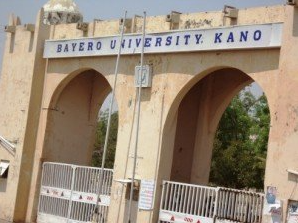
The Deanery of Student Affairs at Bayero University, Kano (BUK), has formally ratified the terminal dates for the 2024/2025 Academic Session residential cycle. In a high-level administrative directive issued under reference number BUK/SA/VC/007, the university announced that the current examination period is scheduled to conclude on March 10, 2026. Following this academic milestone, the Dean of Student Affairs, Professor Mukhtar Ridwanu Bunza, disclosed a strategic extension of the hostel closure deadline. By approving an additional two-week window beyond the final examination date, the Deanery has established March 24, 2026, as the definitive date by which all regular students must vacate the university halls of residence.
This extension serves as a critical logistical buffer, allowing the student body to finalize their post-examination affairs and arrange for safe transit to their respective destinations. The decision reflects a responsive approach to student welfare, acknowledging the complexities of regional travel and the need for an orderly exit from the campus environment. However, the university management emphasizes that this period is not an indefinite extension of residency but a structured phase of decommissioning the hostels for essential maintenance and security audits that typically occur during the inter-semester break.
For a specific cohort of students, the March 24 deadline is subject to professional and academic exceptions. Students currently engaged in mandatory off-campus or field-based components of their curriculum, such as the Student Industrial Work Experience Scheme (SIWES), Industrial Training (IT), Teaching Practice (TP), or the Student Work Experience Program (SWEP), are granted a pathway for continued residency. These students represent the university’s commitment to vocational and technical proficiency, as their programs often extend beyond the standard classroom calendar. To maintain their residential status, these affected individuals are required to undergo a formal reapplication and registration process through the Deanery of Student Affairs.
The procedure for securing extended residency is governed by a strict departmental verification framework. Before any student can be considered for continued bed space allocation, they must first obtain a formal clearance letter from their respective Head of Department. This requirement ensures that only students with legitimate, university-approved academic engagements remain on campus during the break. By involving the Heads of Department, the university creates a layer of academic accountability, preventing the unauthorized occupation of hostels and ensuring that resources are reserved for those whose studies necessitate their presence in Kano.
The oversight of this process by Professor Mukhtar Ridwanu Bunza underscores the importance of the Deanery of Student Affairs in the overall governance of Bayero University. The Directorate functions as the bridge between the academic requirements of the Senate and the physical well-being of the student population. The directive issued on behalf of the Vice-Chancellor serves as a reminder that the university’s responsibility for its students extends from the lecture hall to the living quarters. Students who fail to comply with the March 24 exit date or who fail to regularize their stay through the approved channels may face administrative sanctions, as the university seeks to maintain a secure and manageable campus environment during the hiatus.
As the March 10 examination conclusion approaches, the university community is urged to treat these deadlines with the utmost seriousness. The transition from the 2024/2025 session to the subsequent academic year relies on the timely vacation of hostels to allow for the renovation and sanitation exercises required to uphold the high standards of Bayero University. For those remaining for Teaching Practice or SIWES, the prompt submission of departmental clearance letters is essential to avoid displacement. Ultimately, these measures protect the integrity of the campus residential system and ensure that BUK remains a conducive environment for both character and learning.